


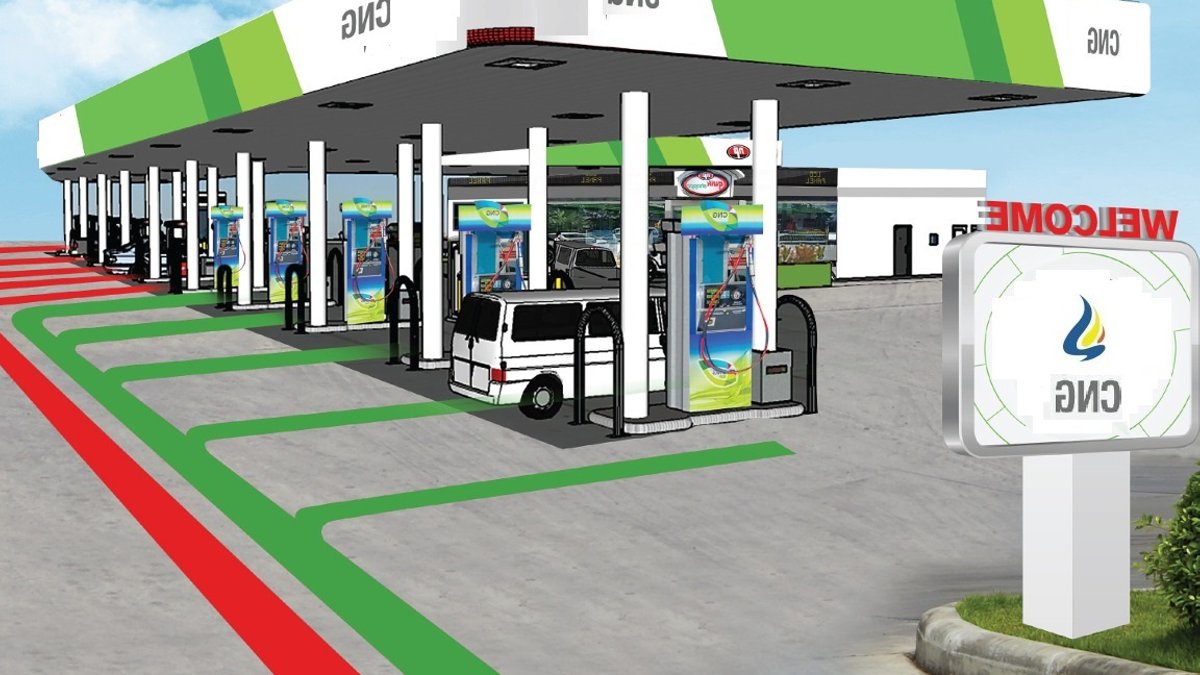
IPMAN advises Nigerians to switch to Compressed Natural Gas (CNG) as a fuel alternative due to the federal government’s decision to end petrol subsidies. The Independent Petroleum Manufacturers Association of Nigeria notes that a litre of CNG will cost no more than N130, making it significantly cheaper than firewood, petrol, or diesel. Mr. Chinedu Okoronkwo, IPMAN’s national president, highlighted this economic advantage in an interview with the News Agency of Nigeria on Wednesday, stating that the gas is abundantly available across the country, particularly in the Niger Delta where billions of tonnes are currently flared daily.
Reviving the conversion programme
The conversation around CNG as a replacement for Premium Motor Spirit (PMS) gained momentum after President Bola Tinubu announced the end of fuel subsidies in his inaugural speech on May 29. This declaration led to fuel shortages and increased pump prices, pushing up the costs of transportation and food. The Nigeria Labour Congress (NLC) and the Trade Union Congress (TUC) initially planned a nationwide strike, but suspended it after a court order and negotiations with the government. During these discussions, the revival of the CNG conversion programme from 2021 was proposed as a solution.
IPMAN believes the clean-burning nature of methane gas offers more benefits than just cost savings. It produces less emissions and requires less vehicle maintenance. To make this transition viable for average citizens, Okoronkwo suggested a model similar to Egypt and India’s: soft loans for vehicle conversion that are repaid over time. He also mentioned a potential “franchise” system for small-scale users like women in domestic kitchens to access the fuel easily. Reviving local refineries could also help reduce the impact of subsidy removal by eliminating the need for imported refined products.
Related: Jungheinrich Celebrates 25 Years, Boosts APAC Post-Nigeria
The adoption of CNG presents a viable path for long-term energy security. However, the immediate transition is complex. Reviving the conversion programme requires not only financial investment but also a robust distribution network to rival the existing petrol infrastructure. Without a reliable supply chain for the compressed gas, the projected savings may not reach consumers, especially in rural areas with infrastructure gaps. The success of this pivot relies on how quickly the government can mobilize resources for conversion kits and fueling stations.
IPMAN, in its recommendation, advised that the government should consider implementing a policy that encourages the widespread adoption of CNG as a fuel alternative. This could include incentives for vehicle manufacturers to produce CNG-compatible vehicles, as well as subsidies for consumers to convert their existing vehicles to run on CNG.


